How a Task-Based Inventory System Saves Time and Reduces Errors
The Challenges of Traditional Inventory Management
For Starbucks licensees, managing inventory is critical but often inefficient. Many stores rely on manual stock checks, spreadsheets, or outdated systems that create errors and waste time.
Without a structured process, staff may forget key steps, record inaccurate data, or spend unnecessary time checking stock. A task-based inventory system solves these issues by providing step-by-step workflows, ensuring accuracy and efficiency across all stores.
What is a Task-Based Inventory System?
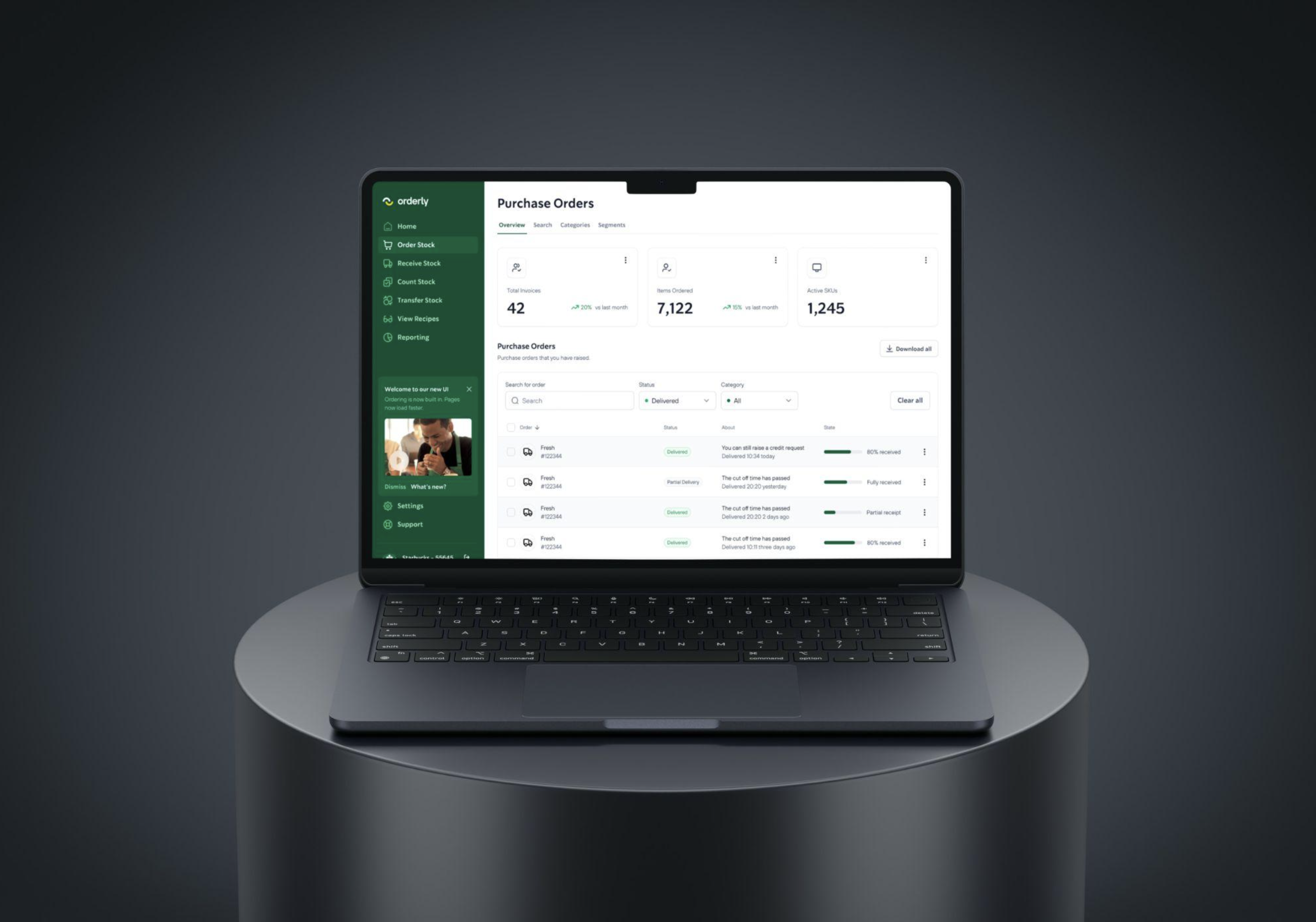
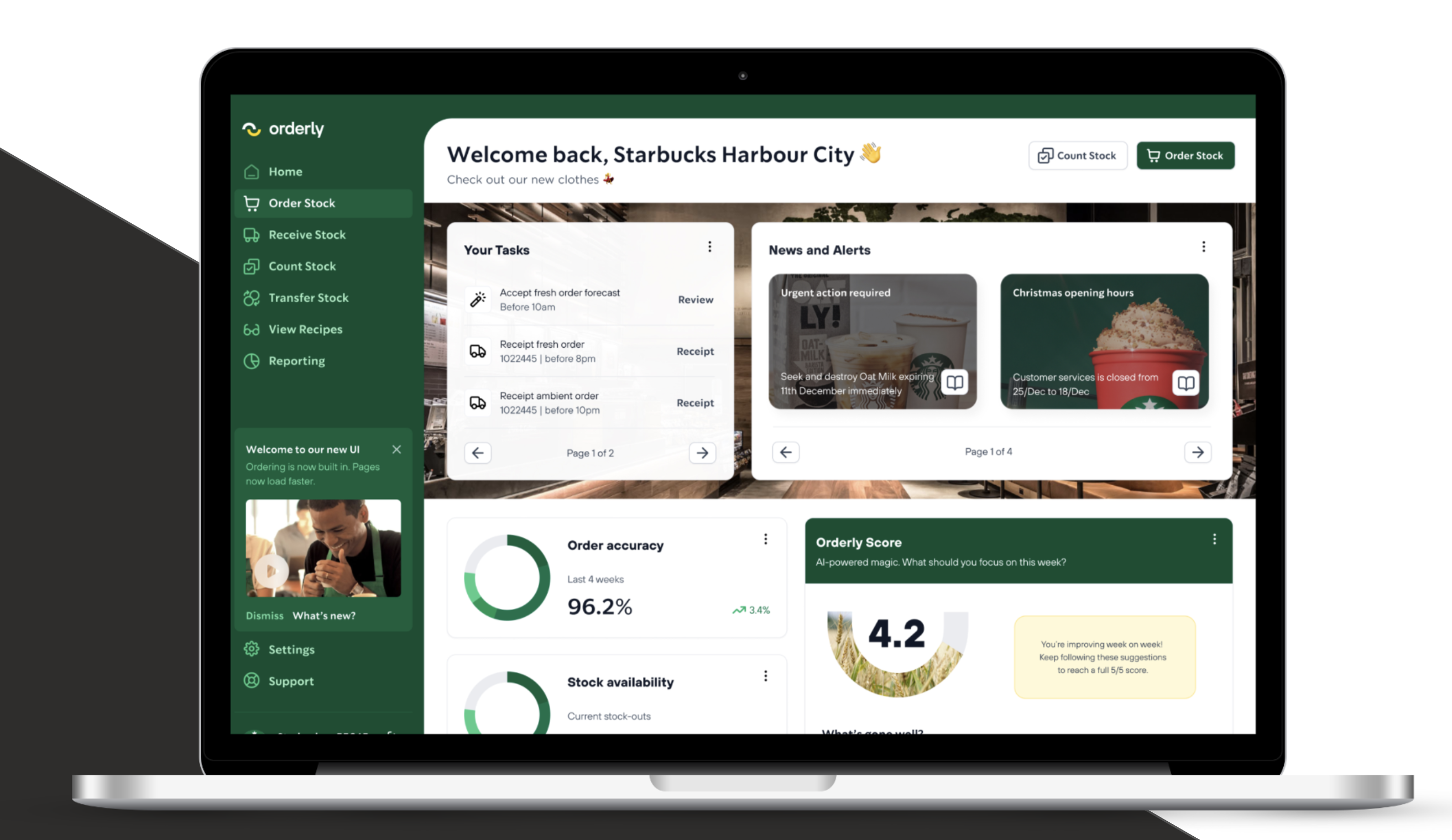
A task-based inventory system guides store teams through structured workflows for stock checks, ordering, and waste tracking.
Instead of relying on staff judgment, it provides automated prompts to ensure every step is completed correctly.
With clear instructions and built-in automation, Starbucks staff can complete inventory tasks faster and with fewer mistakes, freeing up time for customer service and operational improvements.
How a Task-Based System Saves Time and Reduces Errors
1. Structured Workflows for Consistent Execution
One of the biggest issues in inventory management is inconsistency—different team members may follow different processes, leading to errors and stock discrepancies.
✅ Solution: A task-based system ensures that inventory procedures are standardised across all stores, improving accuracy and reducing mistakes.
2. Automated Stock Checks to Minimise Mistakes
Manual stock-taking is prone to human error—miscounts, missed items, or incorrect data entry.
✅ Benefit: Task-based systems use barcode scanning, AI-driven recommendations, and digital checklists, reducing the risk of counting errors.
3. Real-Time Inventory Tracking for Faster Decision-Making
Traditional inventory methods rely on periodic stock checks, meaning managers only get a snapshot of stock levels at specific times. This can lead to last-minute ordering, stock-outs, or overstocking.
✅ Solution: A task-based system provides real-time inventory updates, allowing managers to track stock levels continuously and make informed decisions instantly.
4. Faster Training and Onboarding for New Staff
Retail environments have high staff turnover, meaning new employees frequently need training on inventory processes. Traditional training methods take time and often result in inconsistent execution.
✅ Advantage: A task-based system gives new staff clear, step-by-step instructions, reducing the learning curve and ensuring correct execution from day one.
5. Automated Alerts for Low Stock and Waste Reduction
Many inventory errors occur due to delayed actions, such as products running too low or excess inventory going to waste. Manual monitoring is inefficient and increases the risk of oversight.
✅ Solution: Task-based inventory systems send automated alerts for low stock, expiring products, and unusual stock fluctuations, helping managers take action before problems arise.
Case Study: A Starbucks Licensee’s Time Savings
A Starbucks licensee managing 30 stores implemented a task-based inventory system. Within six months, they achieved:
✔️ 40% reduction in stock-taking time
✔️ 30% fewer inventory errors due to automated workflows
✔️ 2 hours saved per store per week in stock management tasks
By removing unnecessary manual work and improving accuracy, the licensee reallocated labour hours to customer service and store operations.
The Business Benefits of Task-Based Inventory Management
Implementing a task-based inventory system gives Starbucks licensees a competitive advantage by:
✔️ Reducing stock errors and discrepancies
✔️ Saving time on inventory tasks
✔️ Improving order accuracy and reducing waste
✔️ Making staff training faster and more effective
✔️ Providing real-time insights for better decision-making
Take Action: Make Inventory Management Easier with Orderly
Want to reduce inventory errors and save time across your Starbucks stores? Book a demo today to see how Orderly’s task-based inventory system can streamline stock management and improve operational efficiency.