The Hidden Cost of Stock-Outs and How to Fix Them

Why Stock-Outs Are More Than Just an Operational Issue
Running out of key products in a Starbucks store does more than just inconvenience customers—it has a direct impact on revenue, efficiency, and customer loyalty. Stock-outs create immediate financial losses, increase operational strain, and can even drive customers to competitors.
For Starbucks licensees, avoiding stock-outs is critical for maintaining profitability and delivering a consistent customer experience. Understanding the full impact of stock shortages and implementing strategies to prevent them can transform store operations.
The True Cost of Stock-Outs
Stock-outs cause multiple financial and operational issues, many of which are underestimated.
1. Lost Sales and Reduced Revenue
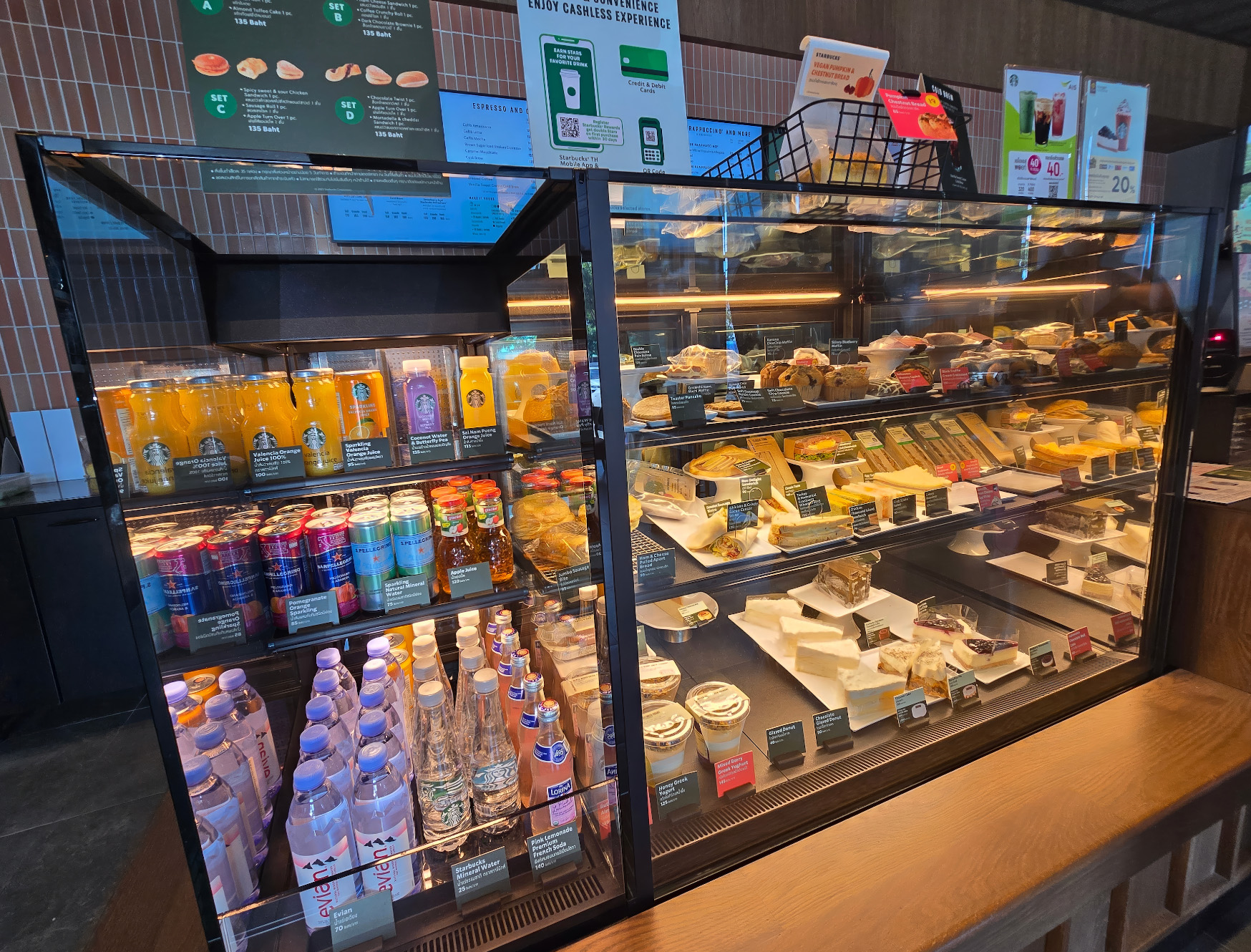
When a Starbucks store runs out of key items like milk alternatives, syrups, or bakery products, customers either switch to a lower-margin alternative or leave without making a purchase. Each lost sale not only impacts daily revenue but also reduces average transaction value (ATV) and customer spend over time.
Example: A customer who typically orders a specialty drink with oat milk may opt for a lower-priced alternative or skip their purchase entirely if oat milk is unavailable. Multiply this by hundreds of customers across multiple locations, and the financial impact becomes substantial.
2. Damage to Customer Loyalty
Frequent stock-outs lead to a frustrating experience for regular customers. If they cannot rely on their favourite store to have the products they expect, they may visit another Starbucks location—or worse, switch to a competitor.
Data Insight: Studies show that 70% of customers will try a competing brand if their preferred product is unavailable multiple times.
Increased Labour CostsWhen a store experiences a stock-out, staff often spend extra time handling customer complaints, offering substitutions, or checking for alternative stock. Additionally, last-minute supplier orders require extra admin work and can cause inefficiencies during busy hours.
Operational Effect: Employees shift their focus from serving customers to managing stock issues, reducing overall efficiency and slowing down service times.
3. Higher Supplier and Delivery Costs
Emergency restocks to fix stock-outs often come with additional expenses. Rush orders may have higher per-unit costs, increased delivery fees, or require smaller quantities, which reduce economies of scale.
Example: A store that runs out of key ingredients may need to place an expedited supplier order, increasing costs compared to planned, bulk purchases.
How to Prevent Stock-Outs in Starbucks Stores
Preventing stock-outs requires a combination of forecasted ordering, real-time inventory visibility, and operational discipline.
1. Use Forecasted Ordering for Better Stock Accuracy
Advanced inventory systems leverage sales data, seasonality trends, and external factors (such as promotions and weather) to predict demand accurately. This prevents over-ordering while ensuring that key products remain in stock.
Solution: A forecasted ordering system can help Starbucks stores anticipate demand fluctuations and adjust stock levels dynamically.
2. Implement Real-Time Inventory Monitoring
Instead of relying on periodic stock checks, real-time inventory systems provide instant visibility into stock levels, allowing managers to track fast-moving items and reorder before a stock-out occurs.
Benefit: Live updates prevent unexpected shortages and reduce the need for emergency restocks.
3. Automate Low-Stock Alerts
Automated alerts notify managers when inventory levels reach a critical threshold, ensuring that essential products are reordered in time.
Example: If a store is running low on oat milk, an automated system can trigger an order suggestion before the product runs out.
4. Optimise Stock Replenishment Across Locations
For multi-store licensees, a centralised inventory system can help rebalance stock by transferring items between locations with surplus inventory and those at risk of a stock-out.
Efficiency Gain: This prevents unnecessary waste at one store while preventing stock-outs at another.
The Competitive Advantage of Eliminating Stock-Outs
By implementing smarter inventory management, Starbucks licensees can:
✅ Reduce lost sales and maximise revenue
✅ Improve customer retention and satisfaction
✅ Lower emergency supplier costs
✅ Increase operational efficiency and reduce staff workload
Preventing stock-outs isn’t just about keeping shelves stocked—it’s about creating a seamless experience for customers, reducing operational inefficiencies, and driving long-term profitability.
Take Action: Prevent Stock-Outs with Orderly
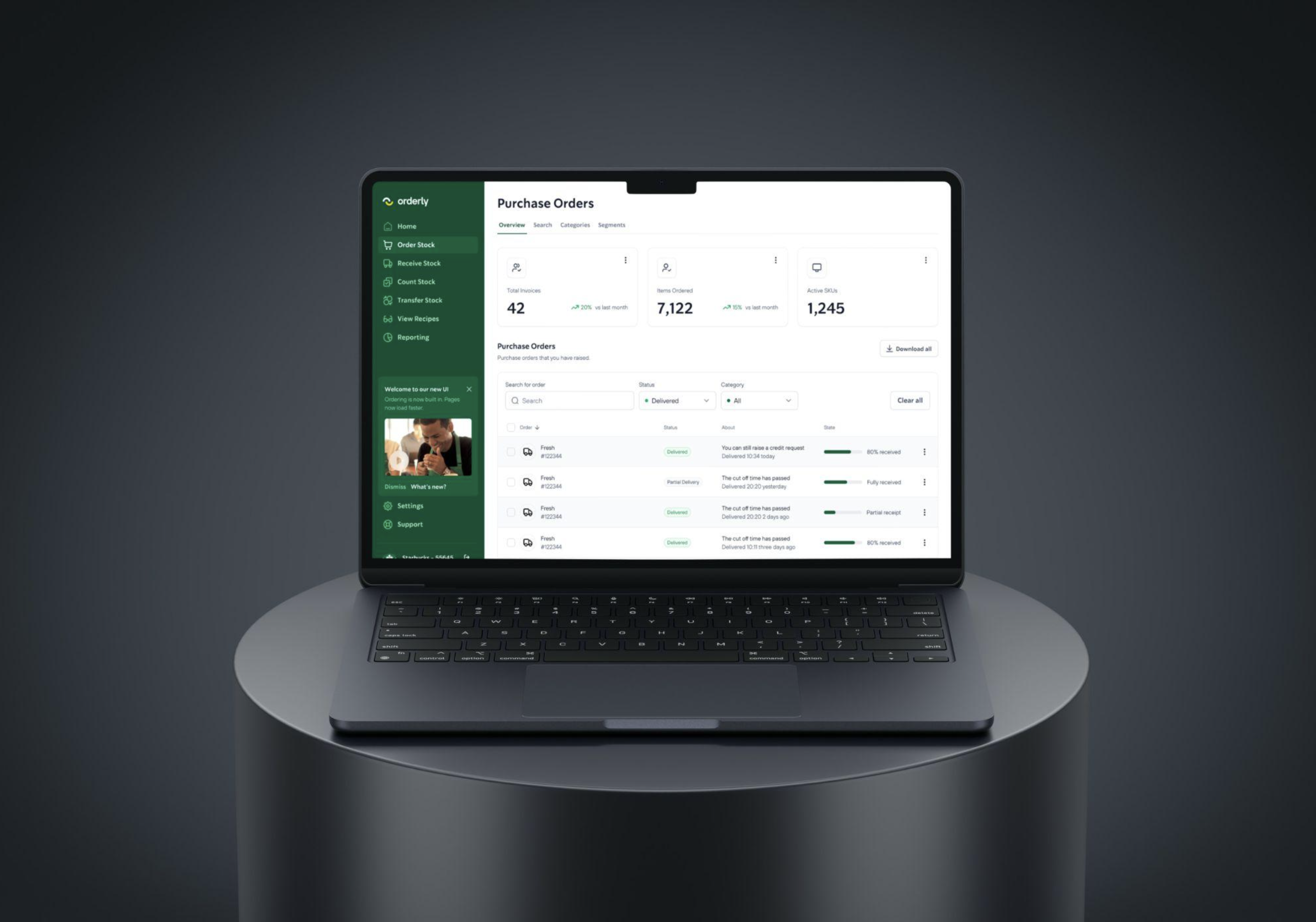
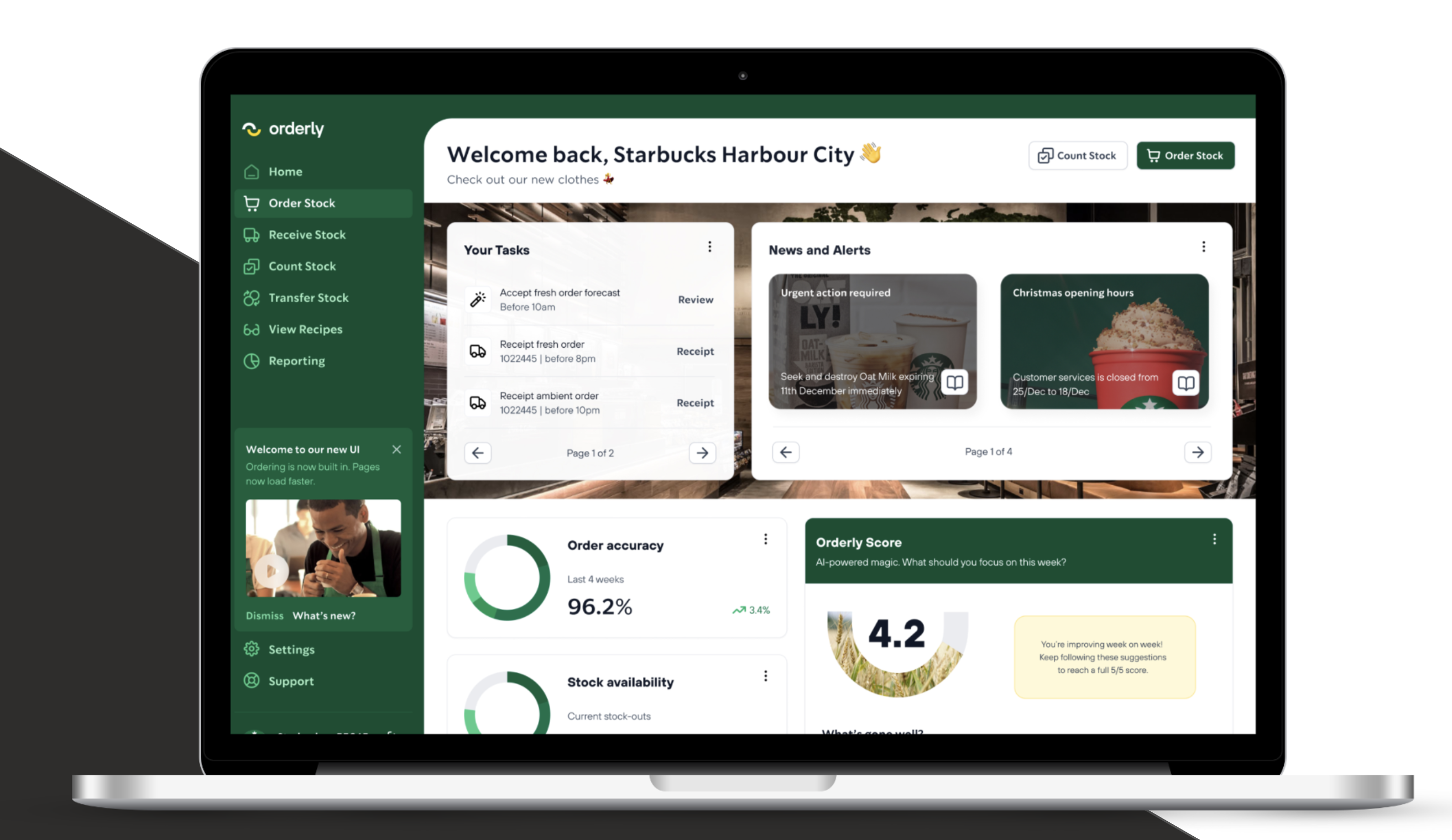
Want to reduce stock-outs and improve inventory accuracy across your Starbucks estate? Book a demo today to see how Orderly can help you maintain optimal stock levels, reduce waste, and increase profitability.