Reducing Waste in Starbucks Stores: A Data-Driven Approach
The Cost of Waste in Starbucks Stores
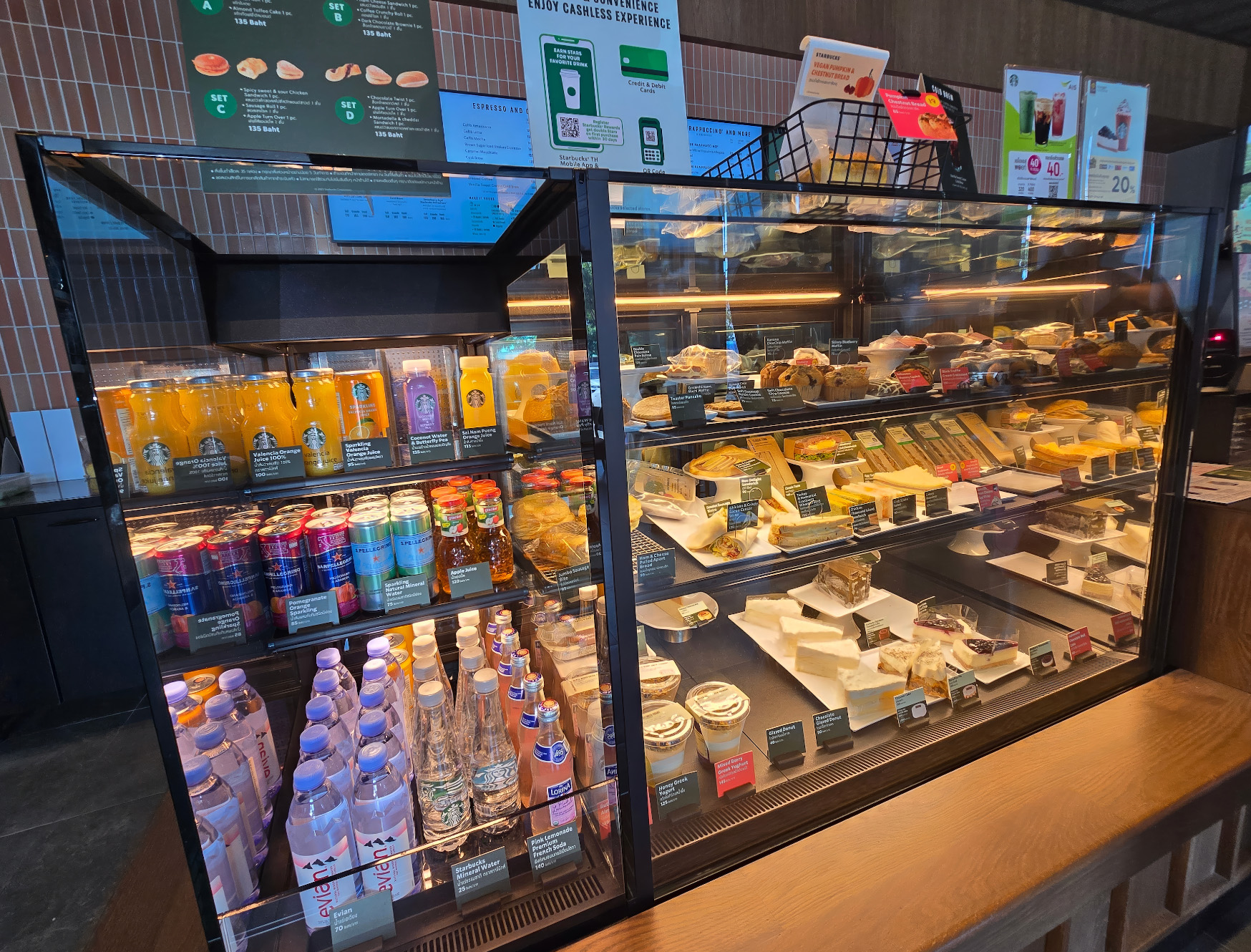
Food waste is one of the biggest hidden costs in Starbucks stores. Expired ingredients, over-ordered stock, and unsold prepared items all contribute to unnecessary waste that directly impacts profitability. While waste may seem like an unavoidable part of running a food and beverage business, the reality is that smarter inventory management can significantly reduce losses and improve financial performance.
For Starbucks licensees, reducing waste isn’t just about sustainability—it’s a key driver of better margins, operational efficiency, and cost savings.
How Food Waste Impacts Starbucks Licensees
1. Direct Financial Losses from Expired Stock
Every expired carton of milk, unsold pastry, or wasted syrup is a direct hit to profitability. Perishable stock that is not sold in time becomes a sunk cost that adds up across multiple stores.
- Example: A Starbucks licensee operating 20 stores loses an average of £250 per store per month in wasted dairy products alone. Over a year, this results in £60,000 in unnecessary losses.
2. Over-Ordering Leads to Unnecessary Costs
Many stock orders are placed based on habit rather than real demand. If a store consistently orders more than it needs, this leads to spoilage and unnecessary expenditure.
- Problem: Without accurate forecasting, stores often overestimate sales volume, leading to excess inventory that expires before use.
3. Stocking Inefficiencies Create More Waste
Inventory imbalances between stores mean some locations experience overstocking while others run out of key products. Without a centralised inventory view, stores may discard unused stock while another location faces shortages.
- Solution: Optimising stock distribution across multiple locations can reduce unnecessary waste and rebalance supply.
4. Staff Time Wasted on Managing Waste
Every time an employee logs wasted products, disposes of expired stock, or manually adjusts orders due to spoilage, it adds unnecessary labour costs. Instead of focusing on customer service and efficiency, staff spend time dealing with avoidable waste.
- Impact: Reducing waste means less time spent on admin and stock adjustments, allowing employees to focus on delivering great service.
How Data-Driven Inventory Management Reduces Waste
Smart inventory systems reduce waste by optimising stock levels, improving ordering accuracy, and providing real-time data on stock movements
.1. Forecasted Ordering Minimises Overstocking
Predictive analytics can analyse sales trends, seasonal variations, and customer demand patterns to prevent over-ordering.
- Example: If data shows that iced beverages drop by 30% in winter, the system adjusts orders for dairy alternatives accordingly—preventing excess stock that would otherwise expire.
2. Real-Time Waste Tracking Identifies Problem Areas
Tracking waste at a granular level helps identify which products are consistently discarded. This enables managers to adjust ordering patterns and reduce unnecessary purchases.
- Benefit: Starbucks stores using real-time waste tracking have been able to reduce food waste by up to 35% simply by identifying and correcting over-ordering issues.
3. Automated Stock Rebalancing Across Locations
Multi-store licensees can redistribute stock between locations to avoid waste and prevent shortages. Rather than disposing of overstocked items, surplus inventory can be transferred to stores with higher demand.
- Solution: A data-driven system automatically flags surplus stock and recommends reallocation, reducing waste across the entire estate.
4. Smart Expiry Management Reduces Losses
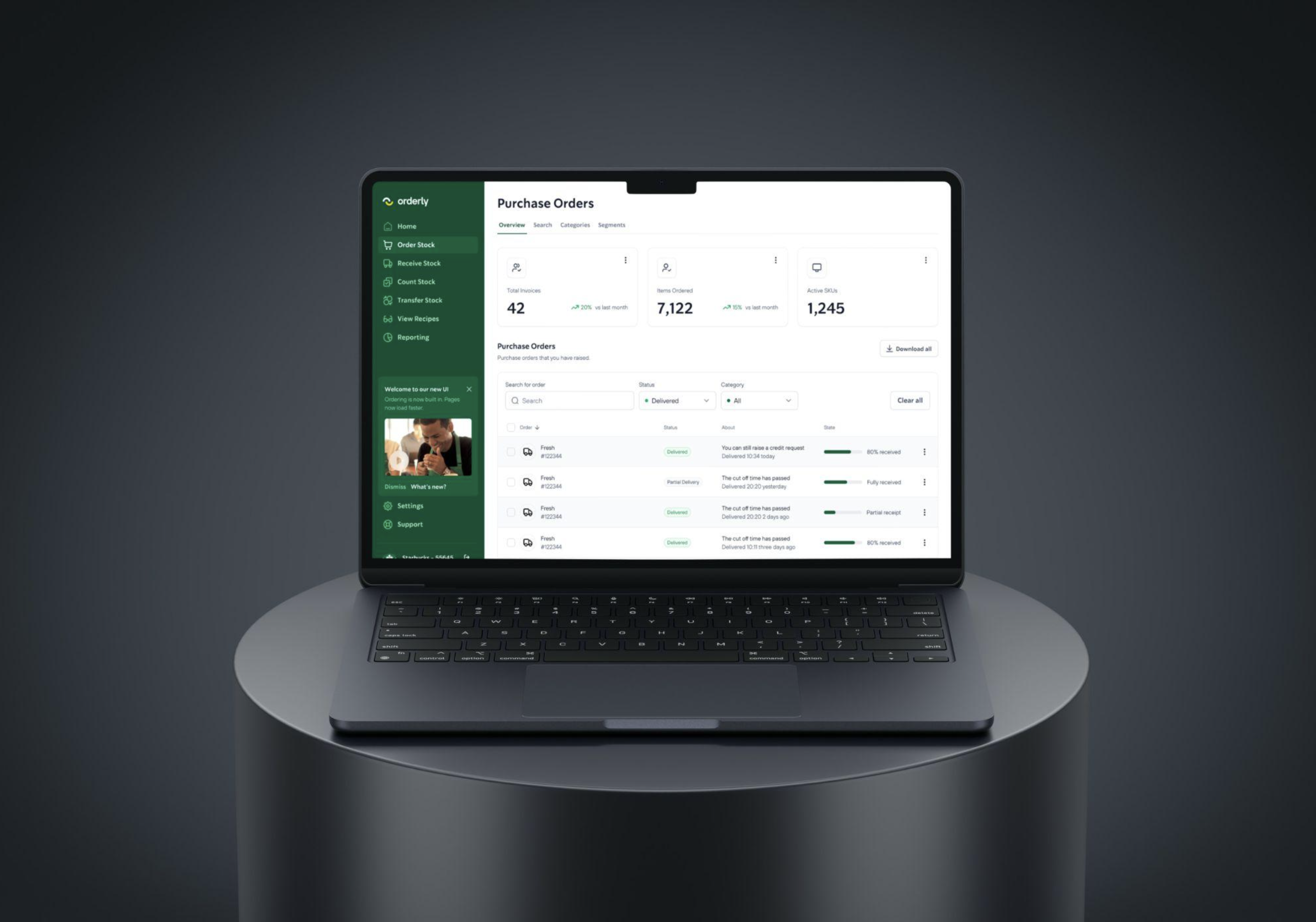
Automated inventory systems track product shelf life and send expiry alerts, ensuring stock is used before it expires.
- Example: If a batch of oat milk is nearing its expiry date, the system can prompt staff to prioritise its use or adjust promotional offers to encourage faster sales.
The Financial Impact of Reducing Waste
By implementing a data-driven approach to inventory management, Starbucks licensees can:
✅ Cut food waste by 25-35% through smarter ordering and redistribution
✅ Save thousands per year per store in reduced spoilage costs
✅ Reduce staff workload by eliminating unnecessary manual stock adjustments
✅ Improve margins by reducing waste-related financial losses
How Orderly Helps Starbucks Licensees Reduce Waste
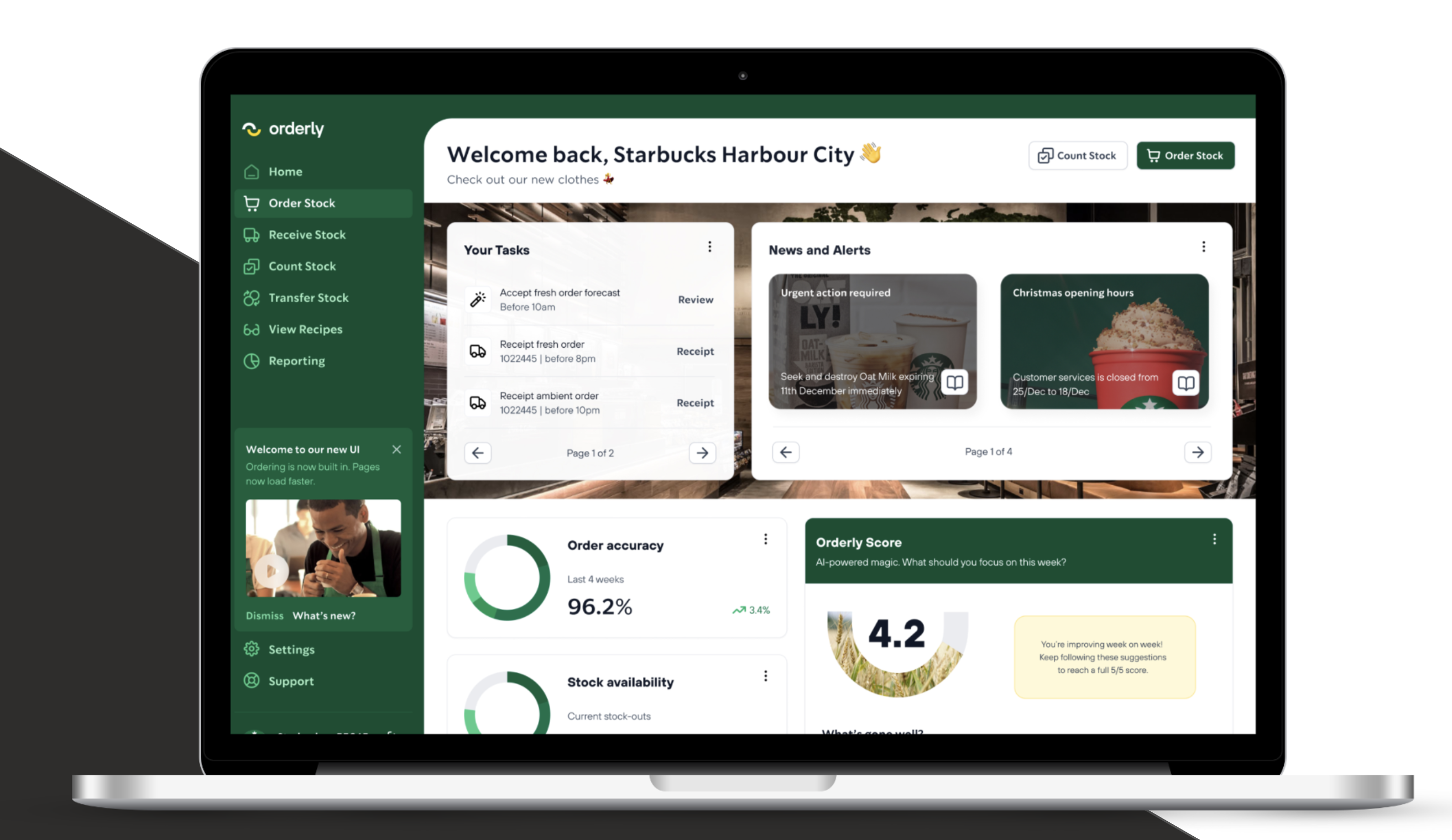
Orderly’s inventory management platform provides:
✅ Forecasted ordering to prevent overstocking
✅ Real-time waste tracking to identify and correct problem areas
✅ Expiry alerts to reduce unnecessary product loss
✅ Stock rebalancing across stores to maximise efficiency
Starbucks licensees who have implemented Orderly’s system have seen a 35% reduction in food waste, leading to higher profitability and improved sustainability.
Take Action: Reduce Waste, Improve Profitability
Reducing waste isn’t just good for the environment—it’s a proven strategy for increasing profitability in Starbucks stores.Want to see how Orderly can help your stores reduce food waste, optimise stock levels, and improve financial performance?
Book a demo today to see how our smart inventory system works.